9 : 1
Student to faculty ratio
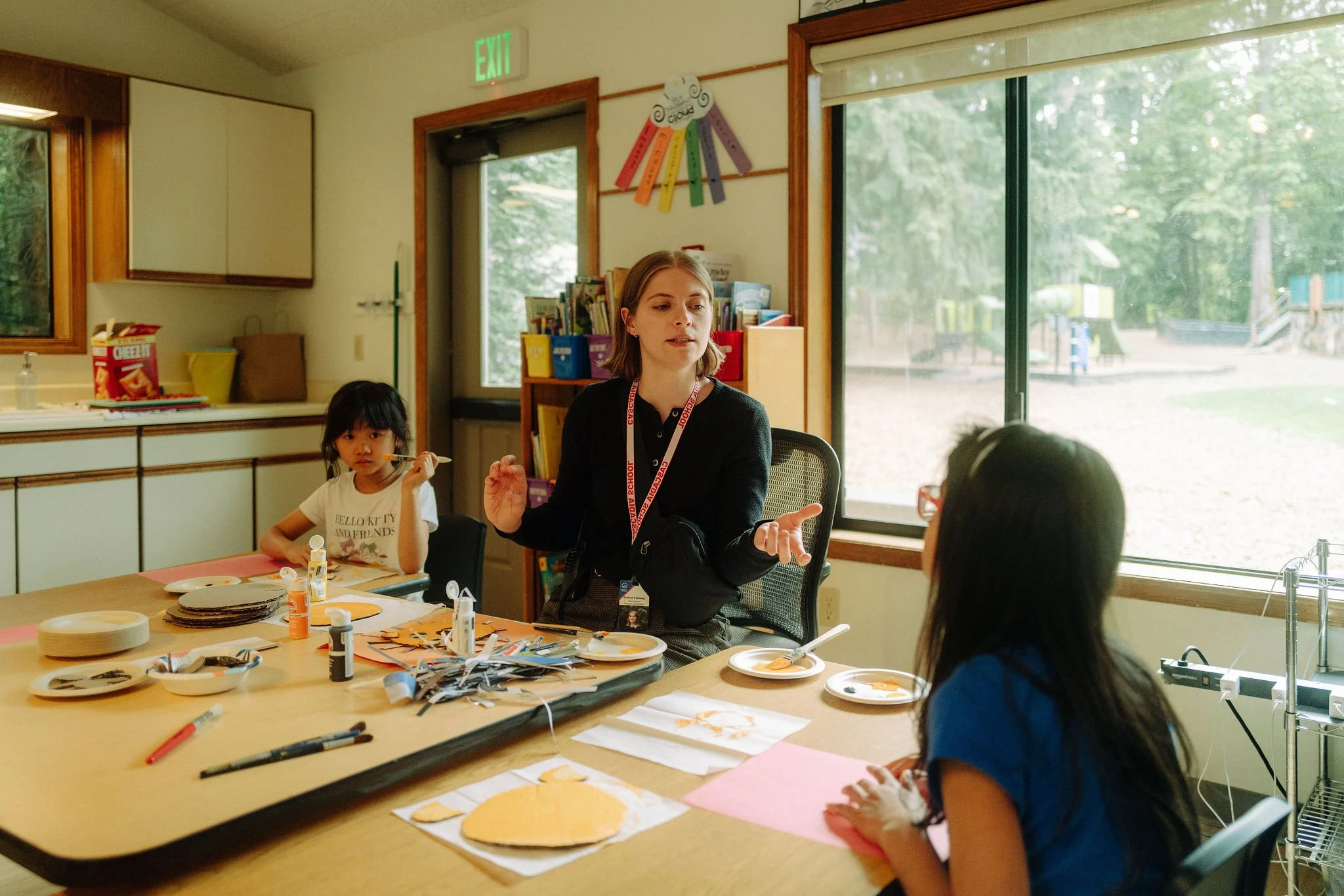

At Cascadia, we believe that the primary years are the basis for future success, and that educating children is a partnership between faculty, parents, and students. Through our outstanding team of teachers and personal investment in each child, we strive to work collaboratively to ensure the success of every learner.
We take this responsibility seriously and work hard to help our students achieve a solid foundation that carries them through the years ahead. This process begins in our Pre-K and Kindergarten years and spirals through our upper grades. Concepts and skills are learned step by step in an incremental and logical manner. At each grade level, students engage concepts across multiple disciplines and from different angles to help them develop confidence and depth of understanding.
Student to faculty ratio
of alumni go on to middle schools of choice
in state and national test scores
Pre-K
Kindergarten
First Grade
Second Grade
Third Grade
Fourth Grade
Fifth Grade
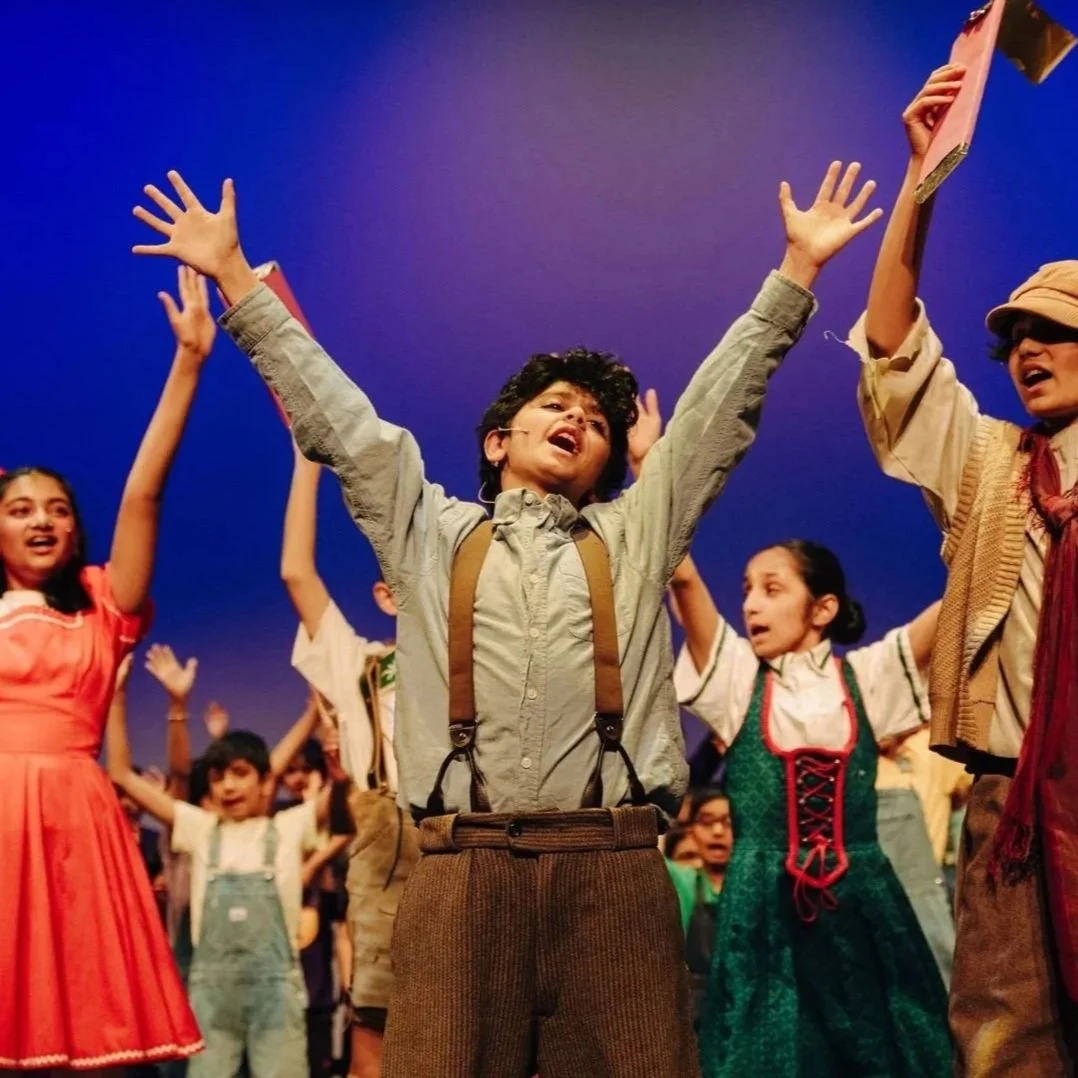
Extra Curriculars
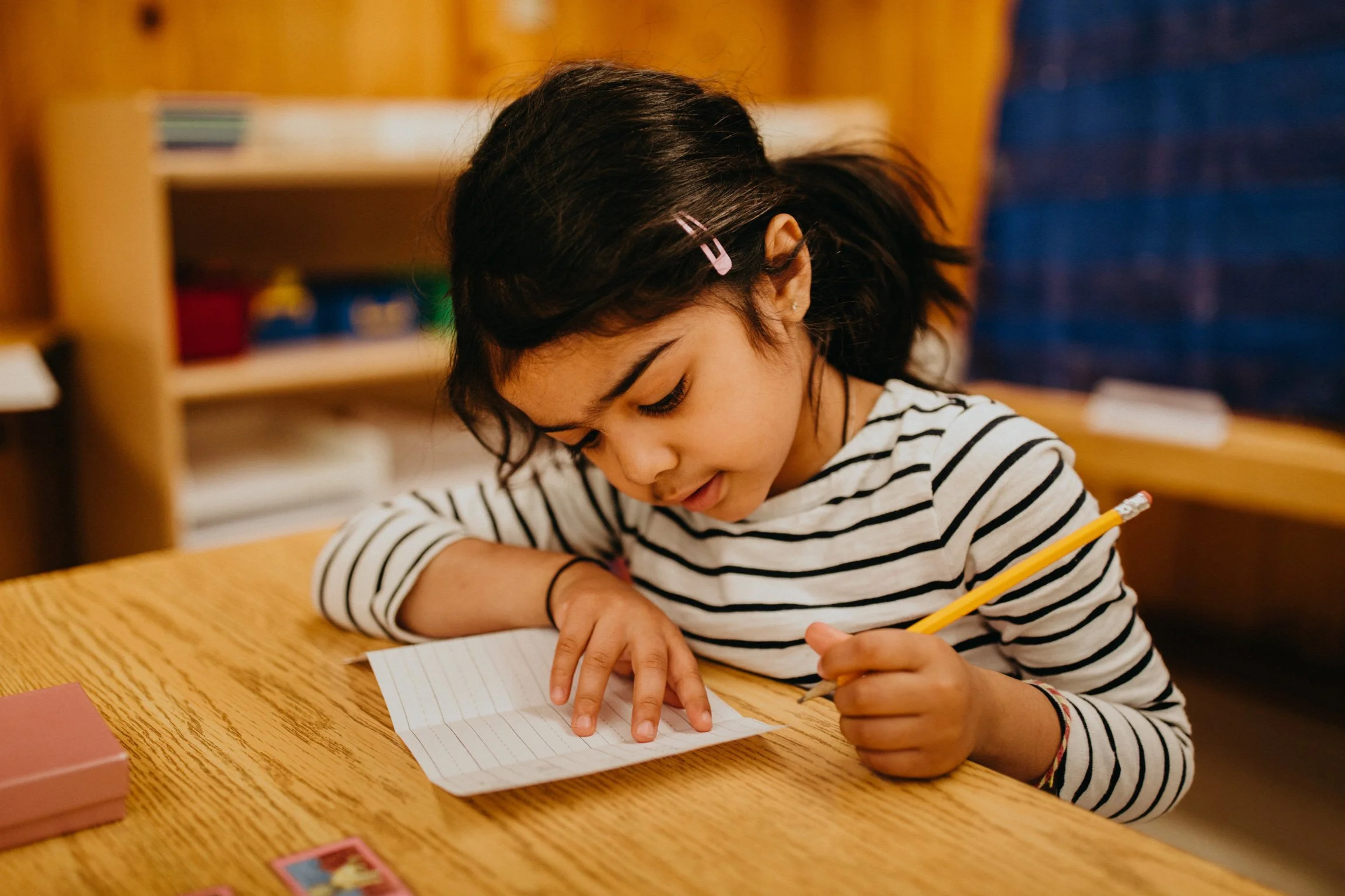
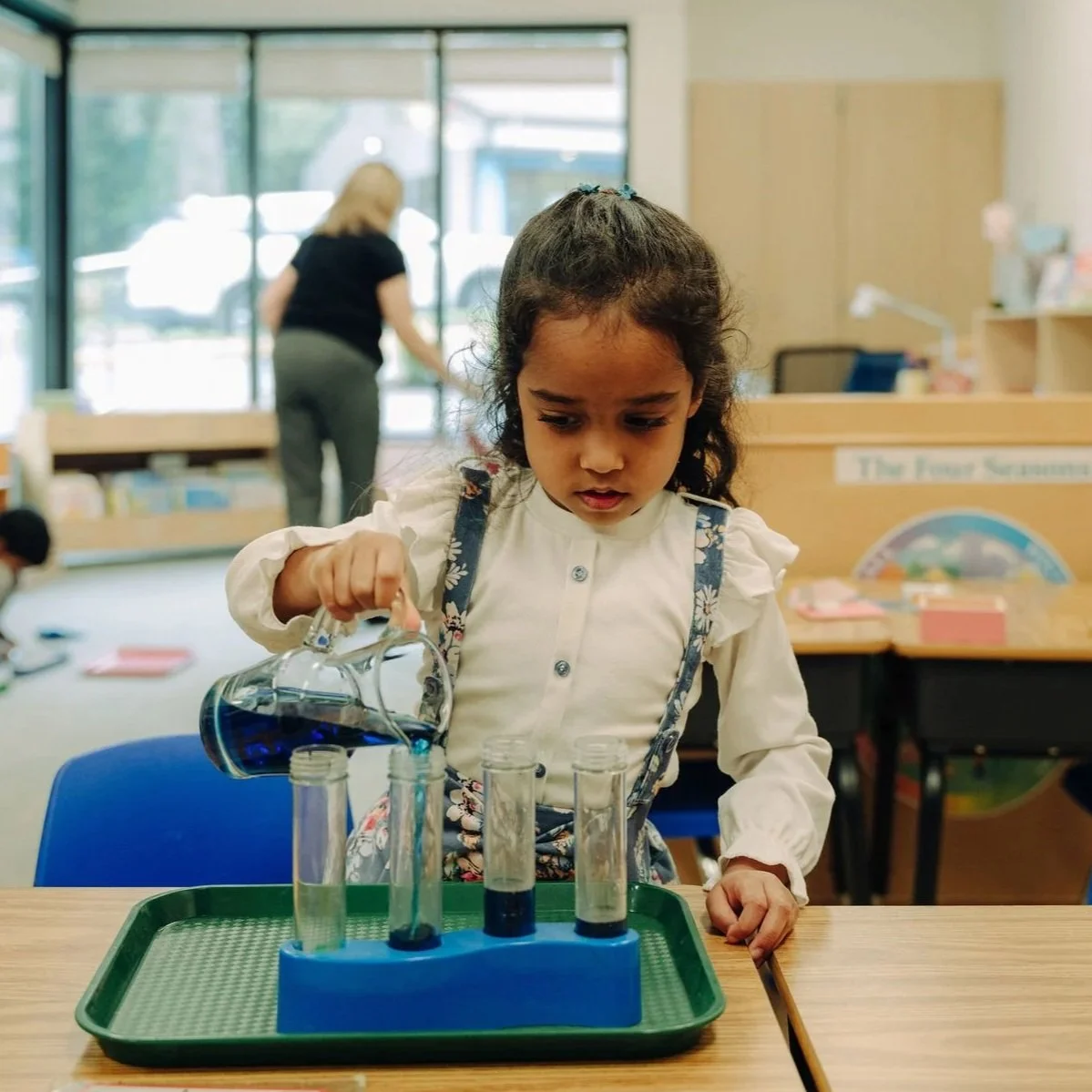
We feel that our Pre-K students are such a special group. Their energy and curiosity are captivating, and we strive to channel that energy into a lifelong love of learning. We start with the basics by instilling in them a sense of responsibility and pride in their work. This requires time spent on fine motor skills, like cutting and tracing, as well as investigation into the process of sounds becoming words and numbers representing a value.
Our teachers work closely with our Pre-K children to help them work systematically through our step-by-step curriculum at a pace best for them, ensuring they are not just gaining memorized facts but truly understanding the concepts. This system of small group instruction, one-on-one engagement, and hands-on exploration allows our students to learn at a rapid pace and move quickly past the Pre-K standards and well into the average kindergarten standards.
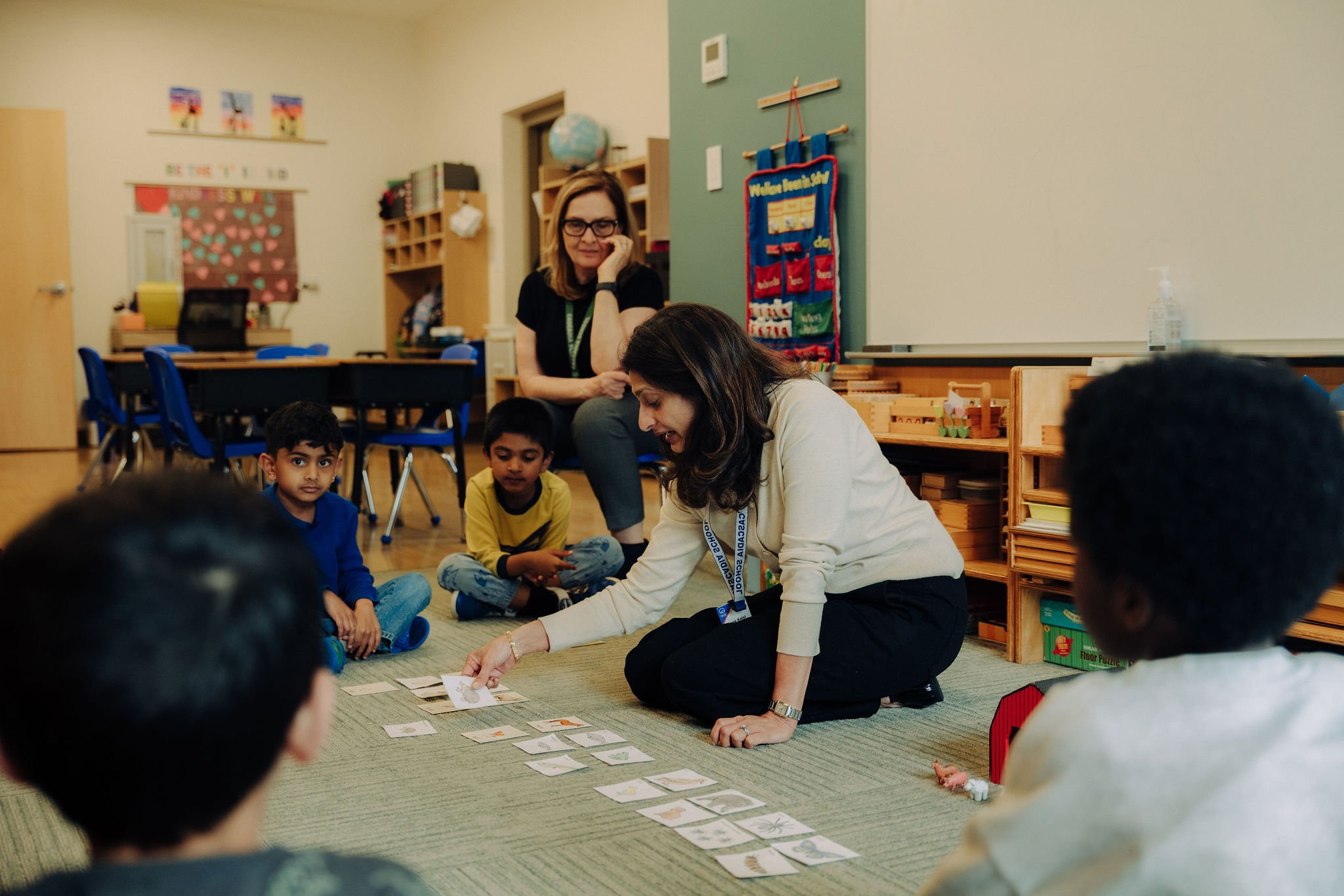
Foundations of Language: Students begin by learning to identify the alphabet, the sounds of each letter, and how to write each letter with the correct directionality. As they exhibit confidence in foundational sounds, they learn the beginning, ending, and middle sounds of short vowel words. Through using manipulatives, games, small group work, and writing practice, our Pre-K students finish the year reading and spelling short vowel words.
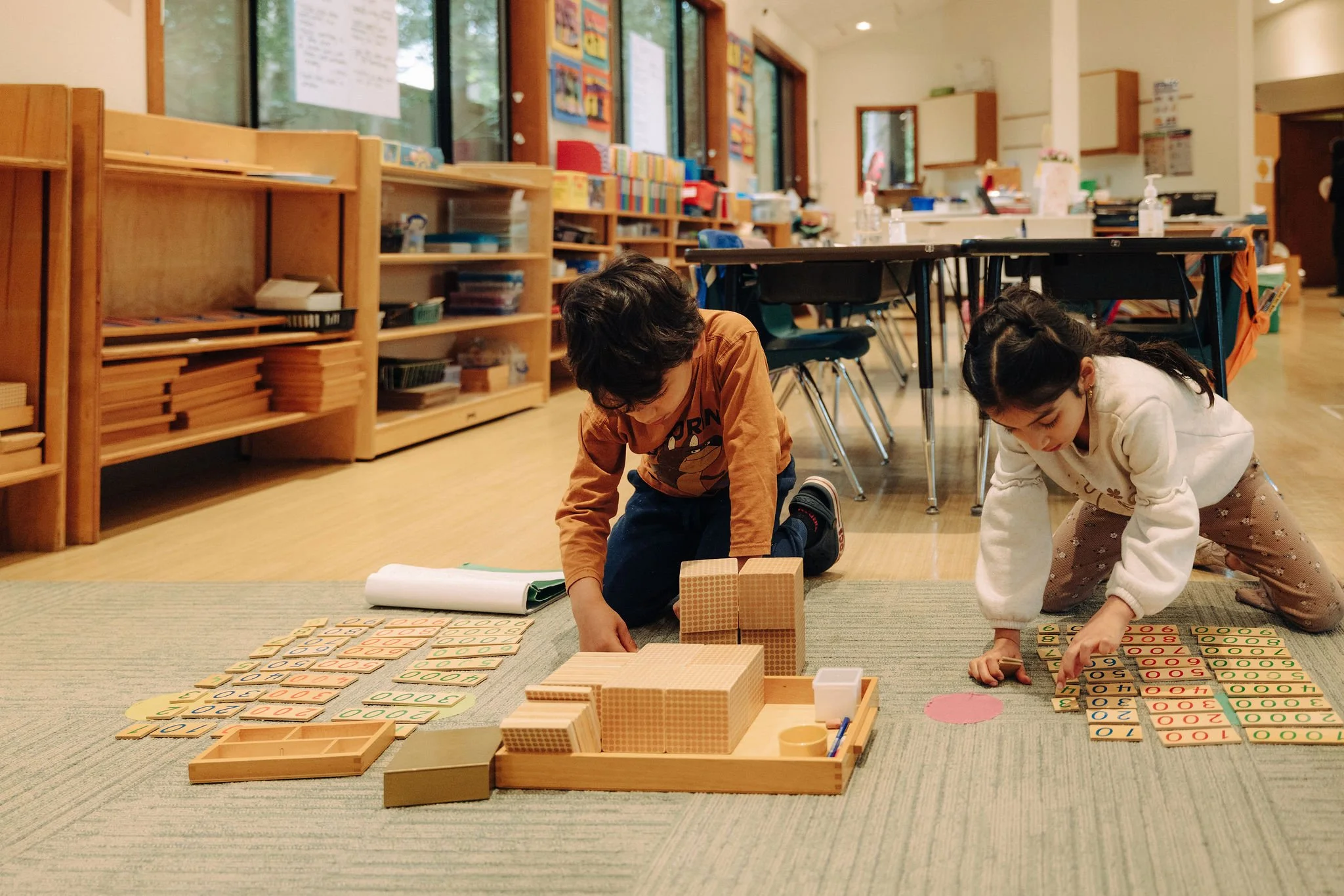
Math: Students utilize Montessori tools to learn the quantity and symbol of each number. Through investigation, games, and small group lessons, children learn to identify numbers 1–1,000 including place value and dive into the basics of addition and subtraction with values up to 10.
Special Studies: Each month, Pre-K students investigate a different science or social studies topic that helps to enrich their understanding of themselves and the world around them. These units of study guide our project assignments and field trips. Units of study include: continents, our community, rocks and minerals, and planets.
Montessori Stations: Each day, our Pre-K students spend time working independently through several different Montessori stations which progressively get more difficult throughout the year. Stations include the following topics:
Writing: Time is invested in strengthening our Pre-K students’ hands and fingers with stations that include: cutting, pouring, squeezing, tweezing, stringing, pin-poking, and tracing. As fingers get stronger, they are able to grip their pencils properly and write letters and words with independence.
Practical Life: In practical life stations, time is invested developing fine motor skills, hand-eye coordination, concentration, and attention to detail. Some examples are: spooning grains and water, squeezing sponges, grating soap, whisking bubbles, polishing mirrors and shoes, pounding nails, and washing windows.
Sensorial: Time is invested refining the Pre-K student’s perception of the sensorial world so that they can classify and organize a variety of materials. This helps them build their ability to differentiate and find relationships between objects.
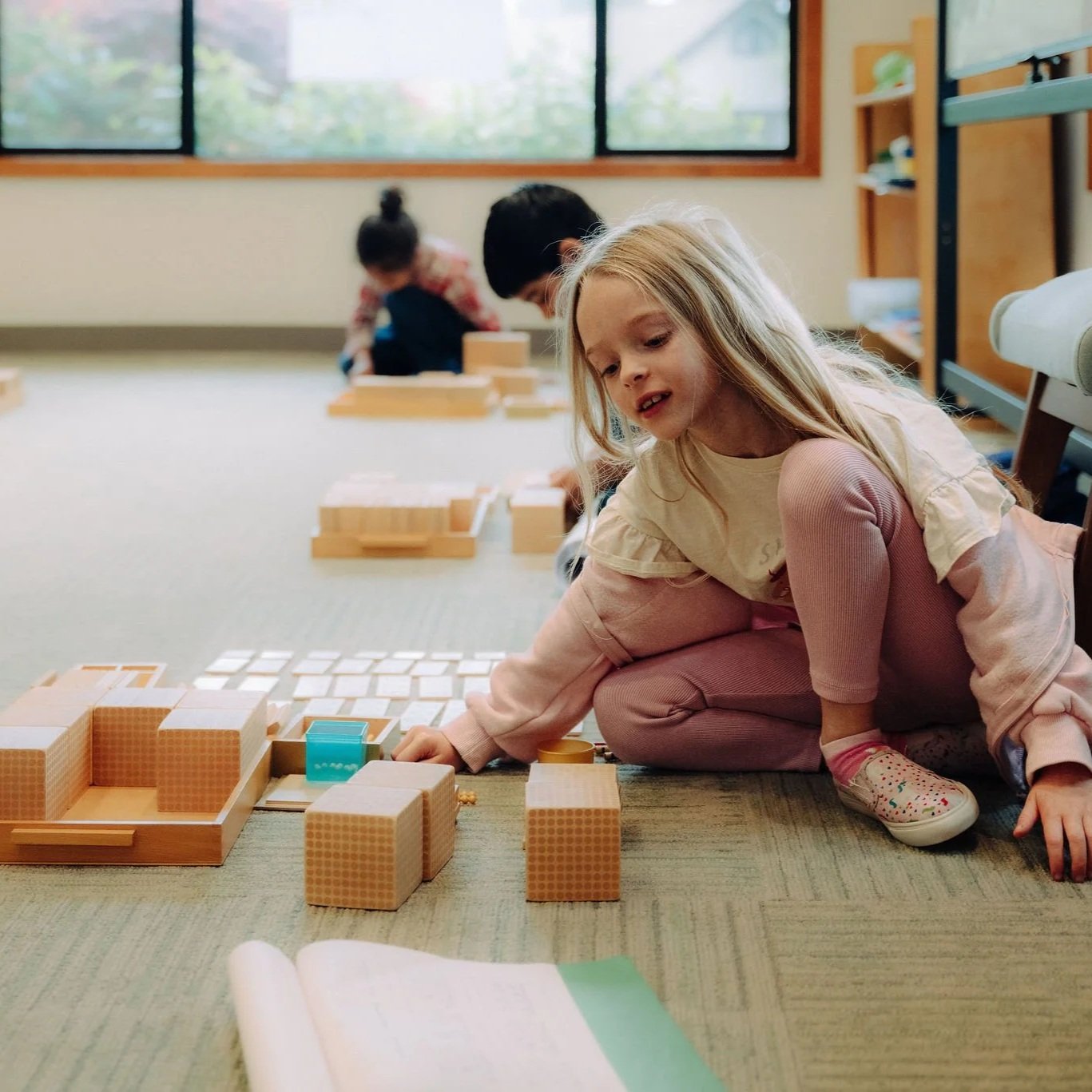
We believe that our kindergarten students are ready to be challenged. Using their Pre-K foundation, we spiral upward into the basics of critical thinking and clear communication. Our kindergarteners rotate through carefully planned small group lessons, where they utilize Montessori manipulatives to fully understand the intricacies of addition and subtraction; they engage in group discussions, where they begin to formulate their own voice as they share their ideas and brainstorm with classmates; and they become independent in sharing their thoughts through writing.
After a year of articulating their ideas and independently representing their thinking, our kindergarteners are beginning to establish their personal voice and feel confident in their knowledge base.
Reading: During the reading block, kindergarten students build on their basic phonetic understanding by learning blends, digraphs, and common spelling patterns of long vowel pairs. In reading groups, children start the year by reading short vowel booklets and progress to long vowel and mixed vowel booklets. By the end of the year, children are reading confidently at an advanced first grade level.
Writing: Kindergarten students begin the year by composing complete thoughts directly onto paper. They quickly move from brainstorming sentences as a group to utilizing word boxes to build their own sentences. Their skills continue to grow as they write informative and creative compositions relating to their special studies topic. By the end of the year, children are able to create a focused paragraph that demonstrates good thought, correct spelling, and appropriate punctuation.
Math: Utilizing a combination of traditional and classical Montessori materials, kindergarten students start the year working on place value and sequencing and quickly jump into counting money, telling time, addition, and subtraction. They work to memorize their basic addition and subtraction facts up to 18, and by the end of the year, children can utilize these facts independently to solve 4-digit addition and subtraction problems as well as apply their knowledge to basic problem solving.
Special Studies: Each month, our kindergarten class investigates a different science or social studies topic that helps to enrich their understanding of themselves and the world around them. During some of these lessons, the children mentor their Pre-K classmates by being the group leader for discussions, projects, or games. Students also participate in comprehension activities, composition writing, art projects, and field trips that continue to build their knowledge of the unit being studied.
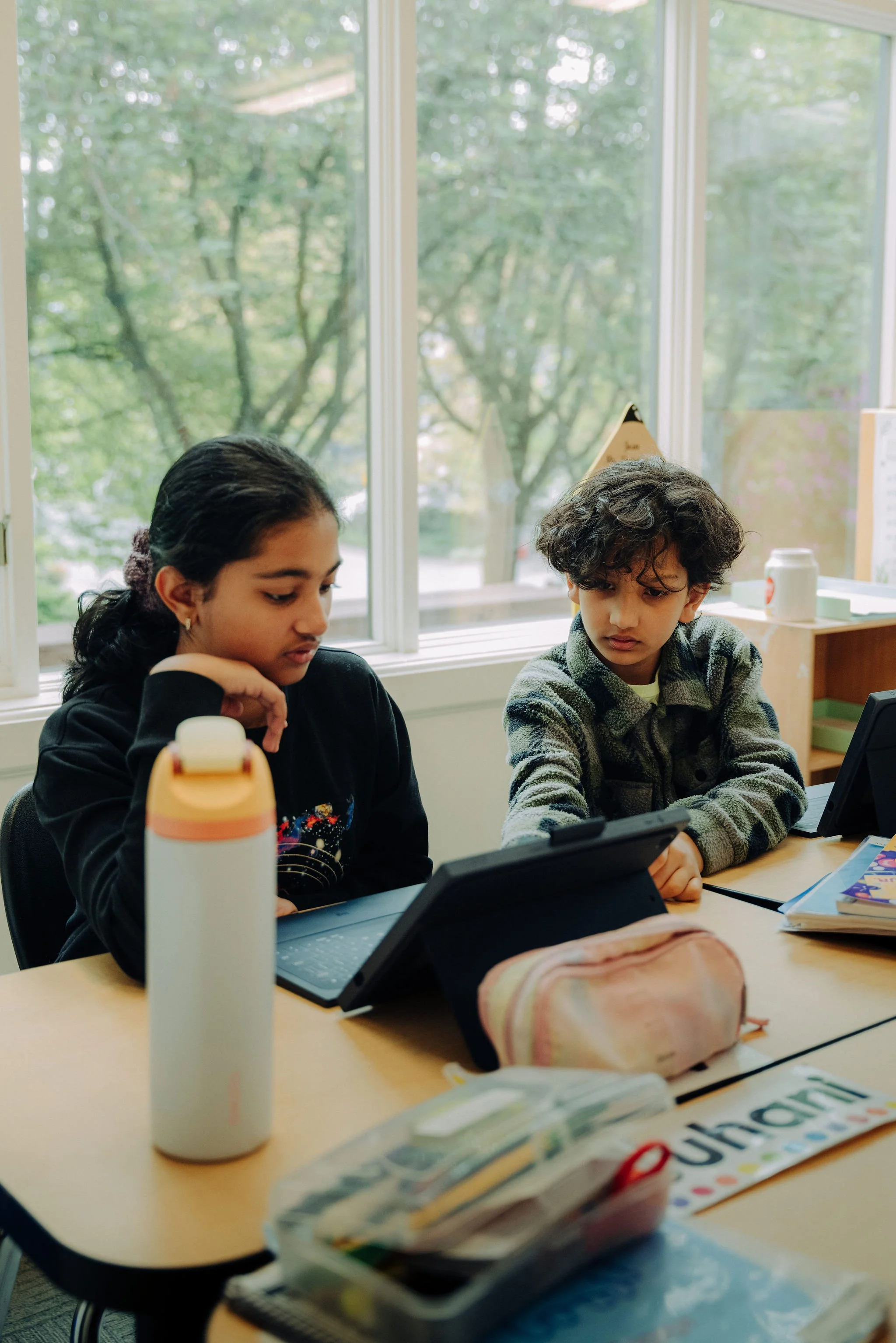
We encourage our first graders to begin taking ownership of their learning. They work independently with focus and purpose, hold themselves to Cascadia’s high standards, become responsible for personal morning routines, and begin learning how to advocate for themselves when a concept is confusing or a project is unclear.
The children continue to gain proficiency on previously taught concepts and begin fine-tuning their abilities to analyze two-step math problems, as well as develop their inferential thinking as they dive into rich literature. As the children’s depth of understanding is broadened, we embrace their inquisitive nature by modeling how to investigate questions and discover answers. Throughout each school day, they are given opportunities to work in peer groups to share ideas, ask deeper questions, and utilize research methods to find answers. This collaborative process challenges the children to take ownership of their own learning and continues building each child’s personal voice.
Reading: In first grade, students continue to build their phonetic base while diving into reading comprehension. As they explore a variety of genres using the Wonders curriculum and a variety of selected chapter books, they learn about plot lines, build personal connections to the text, and thoroughly answer comprehension questions. As they grow in confidence, they step away from teacher-directed reading to reading independently or in partners and then re-gathering to discuss key characters or moments. By the end of the year, children are reading and confidently discussing the plot line of advanced second grade chapter books.
Writing: Students learn to expand simple sentences into “super sentences” using detail, continue to build their spelling base, and work on basic grammatical rules such as parts of speech, commas, capitalization, and end marks. By the end of the year, children can confidently write a detailed, multi-paragraph piece that includes an introduction, three body paragraphs, and a closing.
Math: First grade students work with the MCP spiraled math curriculum, diving deeper into long addition, long subtraction, telling time, and money. They begin investigating fractions, basic measurement, and single-digit multiplication.
Special Studies: In the afternoon, first and second grade classes come together for units of study in science or social studies. These topics are studied in ten-week blocks and involve group discussions, partner research, projects, student-led presentations, and field trips. Some of the units of study include: Washington state, westward movement, rainforests, and forces in motion.
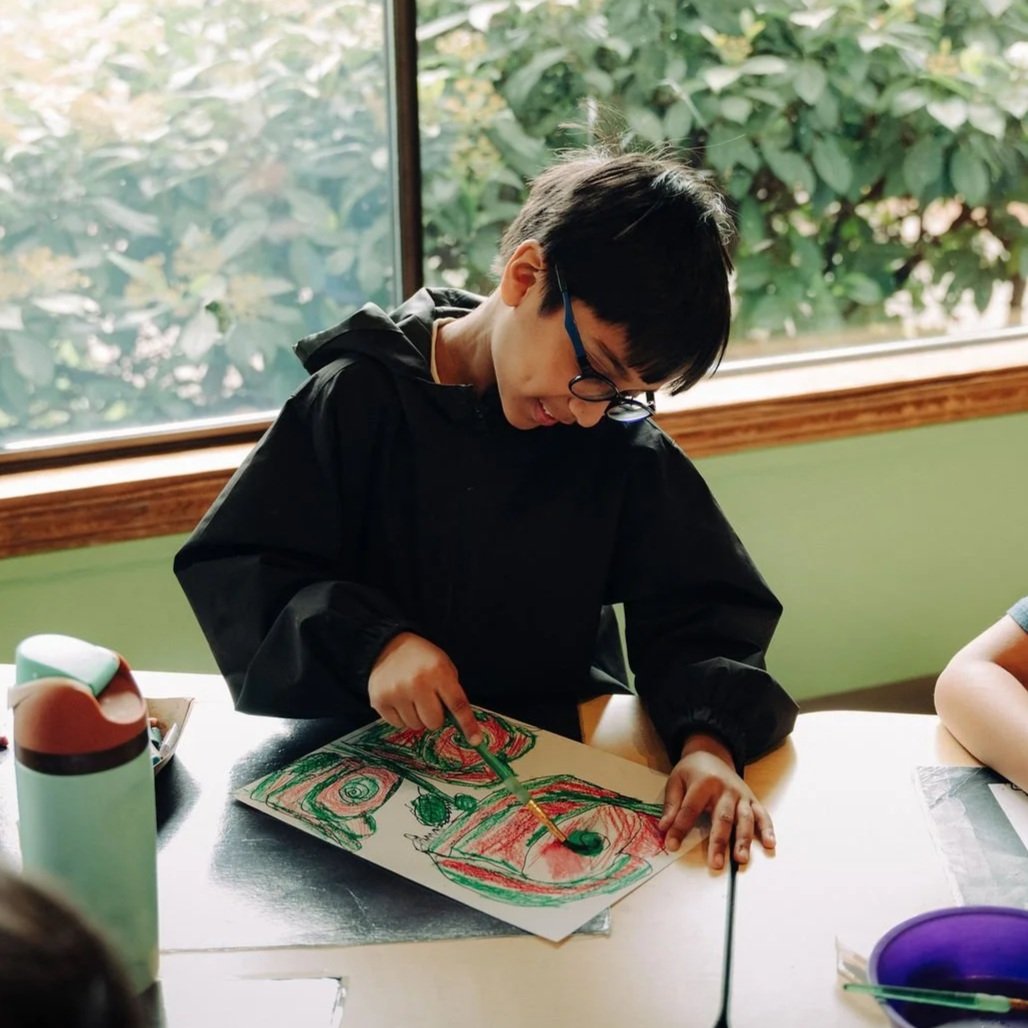
We celebrate the second graders’ growing confidence and budding independence. As they continue to spiral upward into concepts that require focus, multiple steps, and creative thinking, they are given the tools needed to confidently problem solve at an independent level. Throughout the year, the children are given opportunities to express their thinking through creative avenues such as reports, presentations, writing prompts, and projects. This creative process helps the children begin to broaden their perspective of learning and realize that knowledge is shared, not something that only comes from the teacher.
With the guidance of the second grade team, the children engage in direct teaching, one-on-one guidance, peer inquiry, and independent study. Within each approach, they are encouraged to develop their personal voices, seek creative solutions, and fully engage in the learning process.
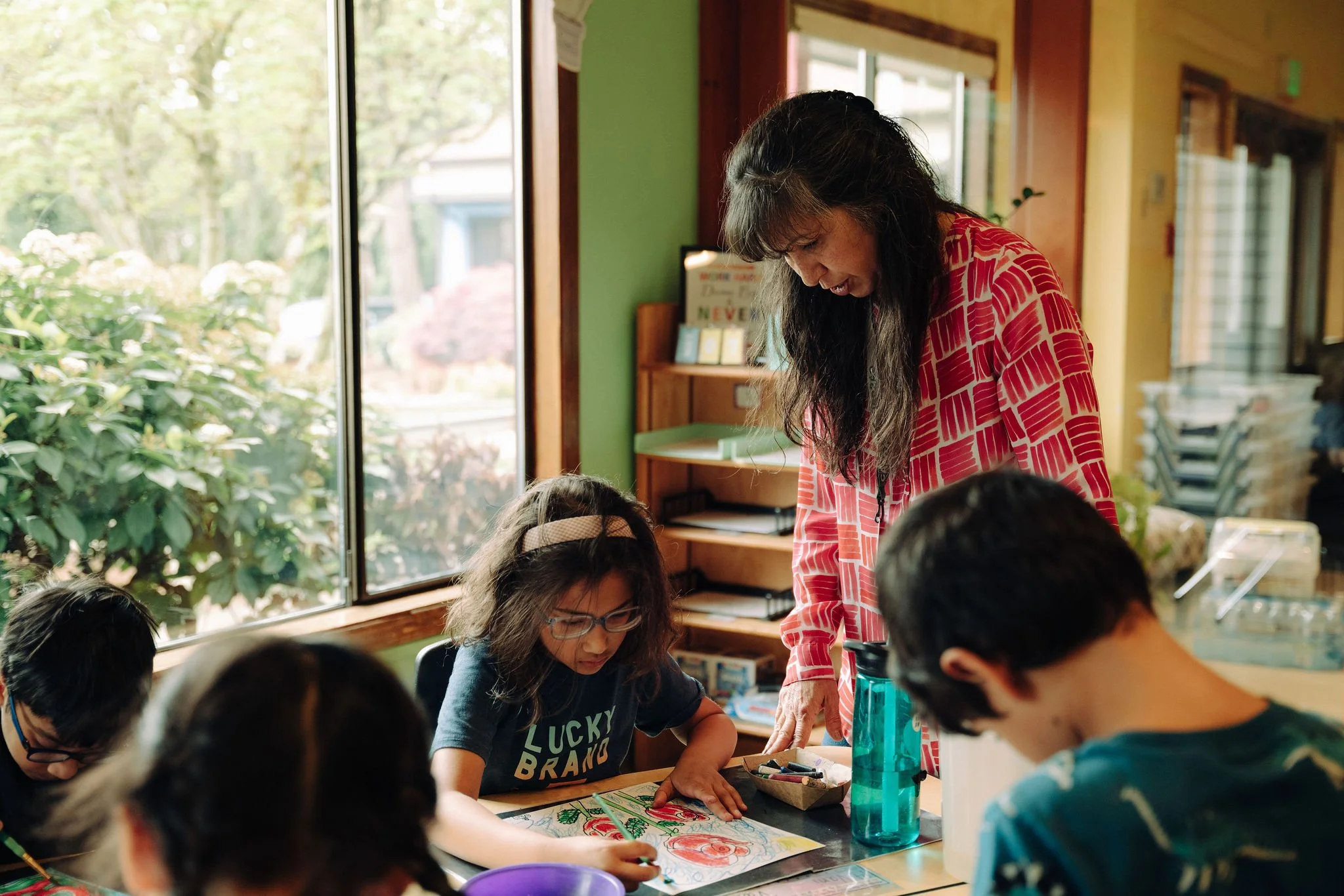
Reading: Using the Wonders curriculum and chapter book studies, second grade children continue to build their understanding of plot lines and character development. During classroom discussions and comprehension responses, they move from answering basic comprehension questions to exploring predictions and using inferential thinking in their reasoning.
Writing: Second grade students continue to build on their spelling and grammatical base as well as further develop multi-paragraph writing skills. In narrative writing, they learn to build a plot line that highlights conflict and resolution. They are also introduced to research writing, wherein they learn about using resources, taking notes, and writing a report on a topic of interest. By the end of the year, the children can work through the writing process and compose writing pieces with confidence.
Math: In addition to building on their foundation of fractions, time, money, and multiplication, students begin to investigate area, perimeter, and division. By the end of the year, they are successfully working through long multiplication and division problems. Utilizing a variety of resources, the children also springboard into solving multi-step word problems.
Special Studies: In the afternoon, first and second grade classes come together for units of study in science or social studies. These topics are studied in ten-week blocks and involve group discussions, partner research, projects, student-led presentations, and field trips. Some of the units of study include: Washington state, westward movement, rainforests, and forces in motion.
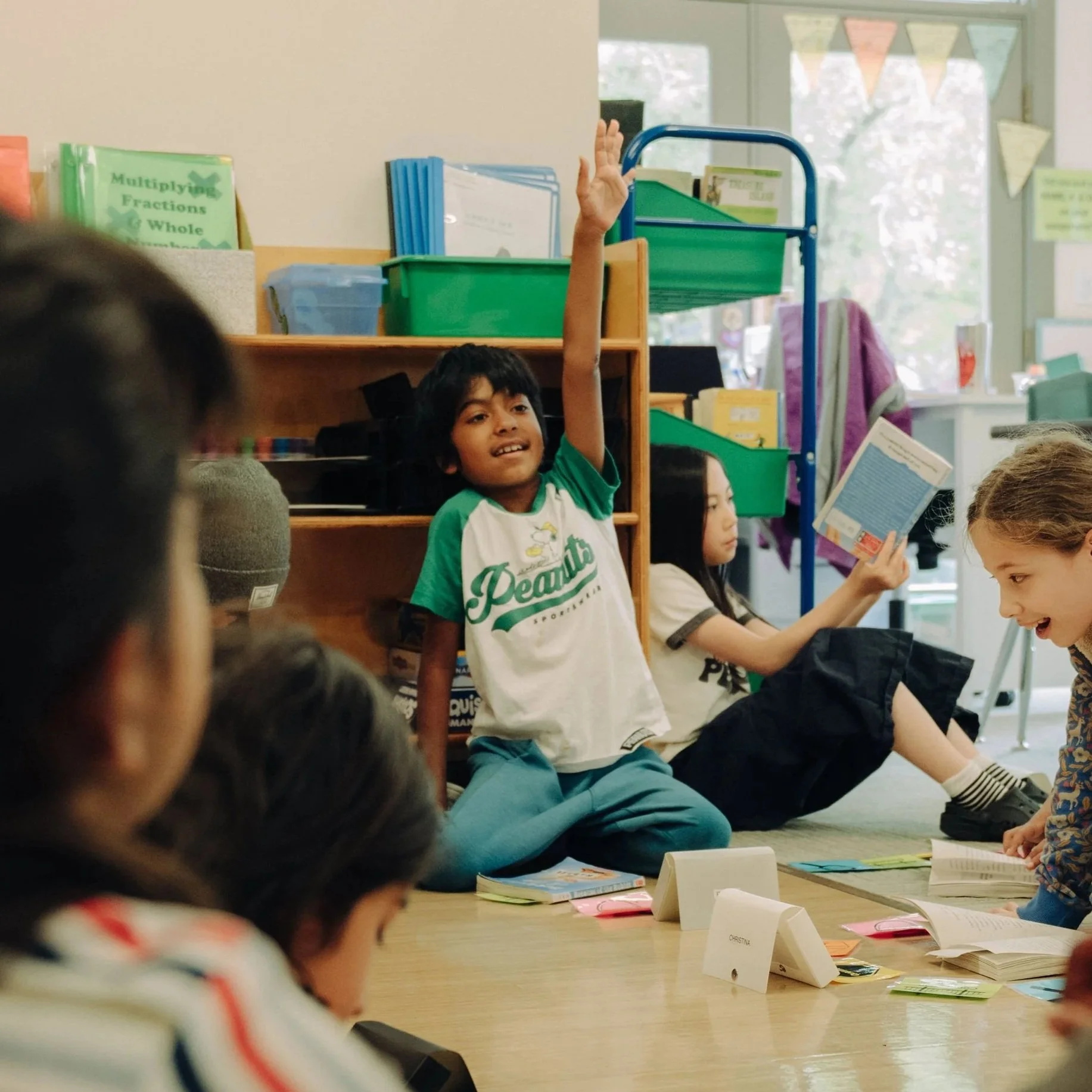
We encourage the third graders to become reflective learners. While they dive into the intricacies of advanced math, multiple writing genres, literature studies that analyze theme and subtext, and detailed projects, the children are guided toward reflecting on their learning.
This reflection comes as they identify their challenges and learn to advocate for themselves rather than wait for help to come to them. Quickly, they discover that they can take charge of their learning. This discovery is empowering and leads to the realization that perfection is not the goal, rather that the drive to learn and grow is what matters. As the children become more proficient at being introspective, they learn how to set goals and systematically pursue those benchmarks.
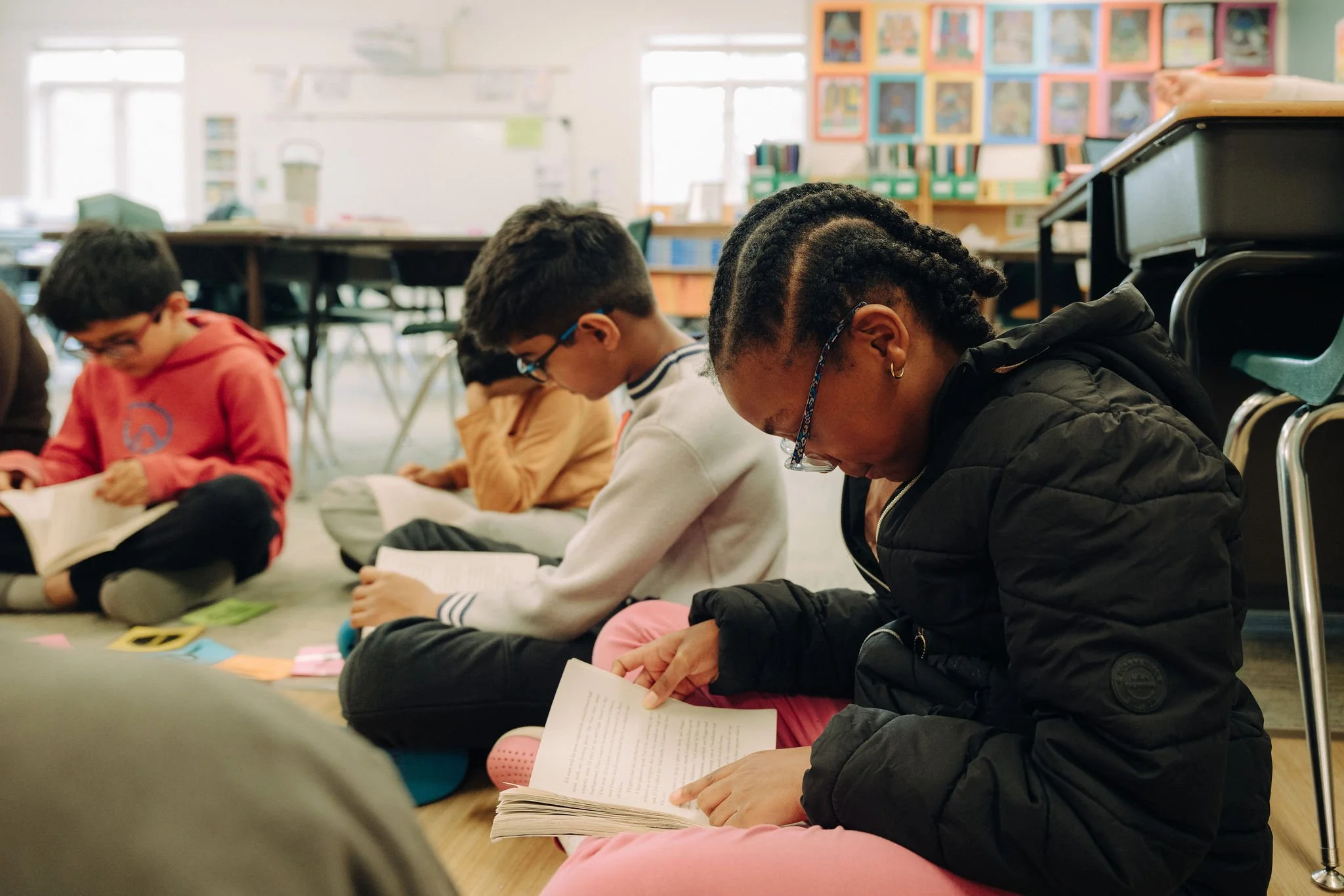
Reading: In third grade, students learn about character development including how the protagonist or antagonist affects the storyline. They learn to make connections between the text and themselves or other texts. At this point, students are able to select their own novels to read, analyze, and report on independently with appropriate guidance from the teacher.
Writing: While continuing to build their spelling and grammatical base, third grade students dive into multiple genres of writing including expository, narrative, research, and persuasive. Throughout each genre study, students compose writing that targets their audience, provides depth of thought, and highlights artful transitions. At this point, all stories are typed and allow for a more thorough editing stage where students can partner edit as well as engage in one-on-one teacher conferences to improve each of their pieces.
Math: Third grade students continue spiraling through our MCP math curriculum, diving deeper into multiplication, division, fractions, area, perimeter, volume, and elapsed time. Throughout the year, they work to utilize their growing skills by working through multi-step problem solving challenges.
Science and Social Studies: Third and fourth grade classes come together to study science and social studies topics. These study periods include experiments, roleplay, group discussions, partner research, projects, and student-led presentations. Units of study include governmental systems, US history, biomes, forces in motion, and the human body.
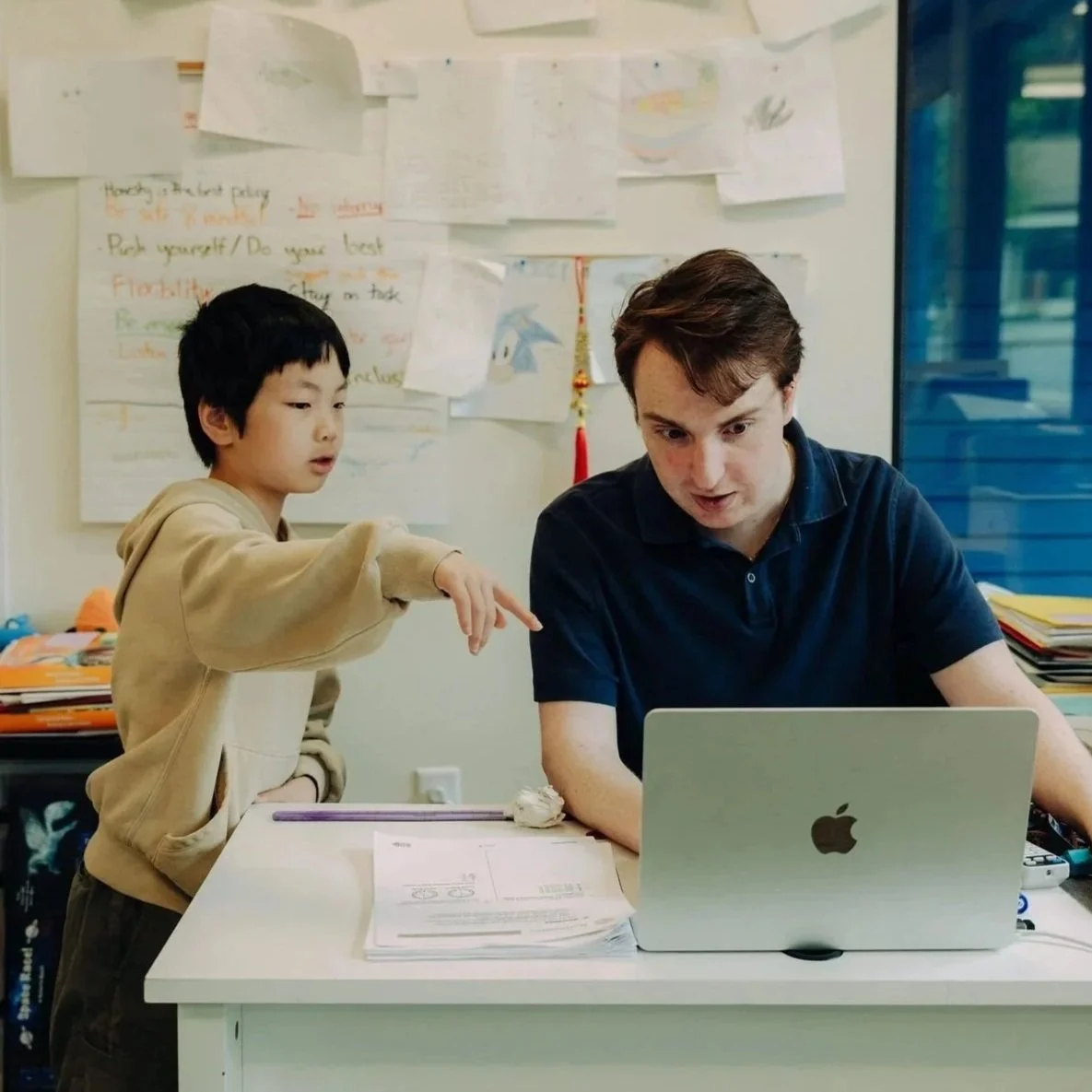
We celebrate the fourth graders’ inner confidence and need for independence. The fourth grade year is a time for the children to spread their wings and take full responsibility for their learning. At this point in their educational journey, they know how to ask deep questions; they know how to find answers to their inquiries; and they know how to advocate for themselves when they are unsure.
With these skills in place, the fourth grade team can artfully lead the children through an advanced curriculum that challenges them to critically think through multi-step math problems, to captivate their audience by writing descriptive stories that the reader can visualize and connect with, to build empathy and extrapolate lessons from historical events, and to use the scientific method to create and prove their own hypotheses. During this in-depth inquiry, the children also begin to embrace what it means to be a global citizen.
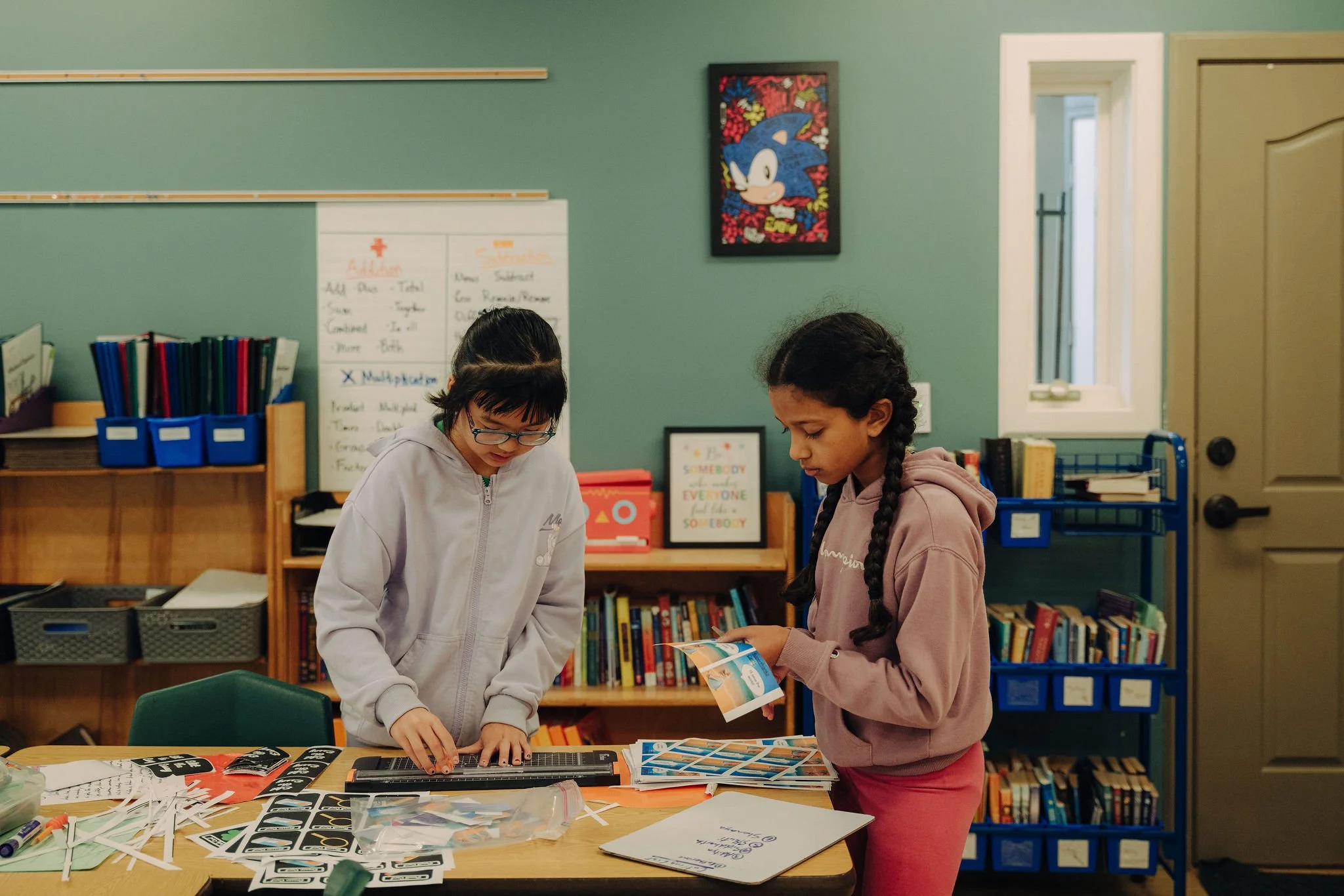
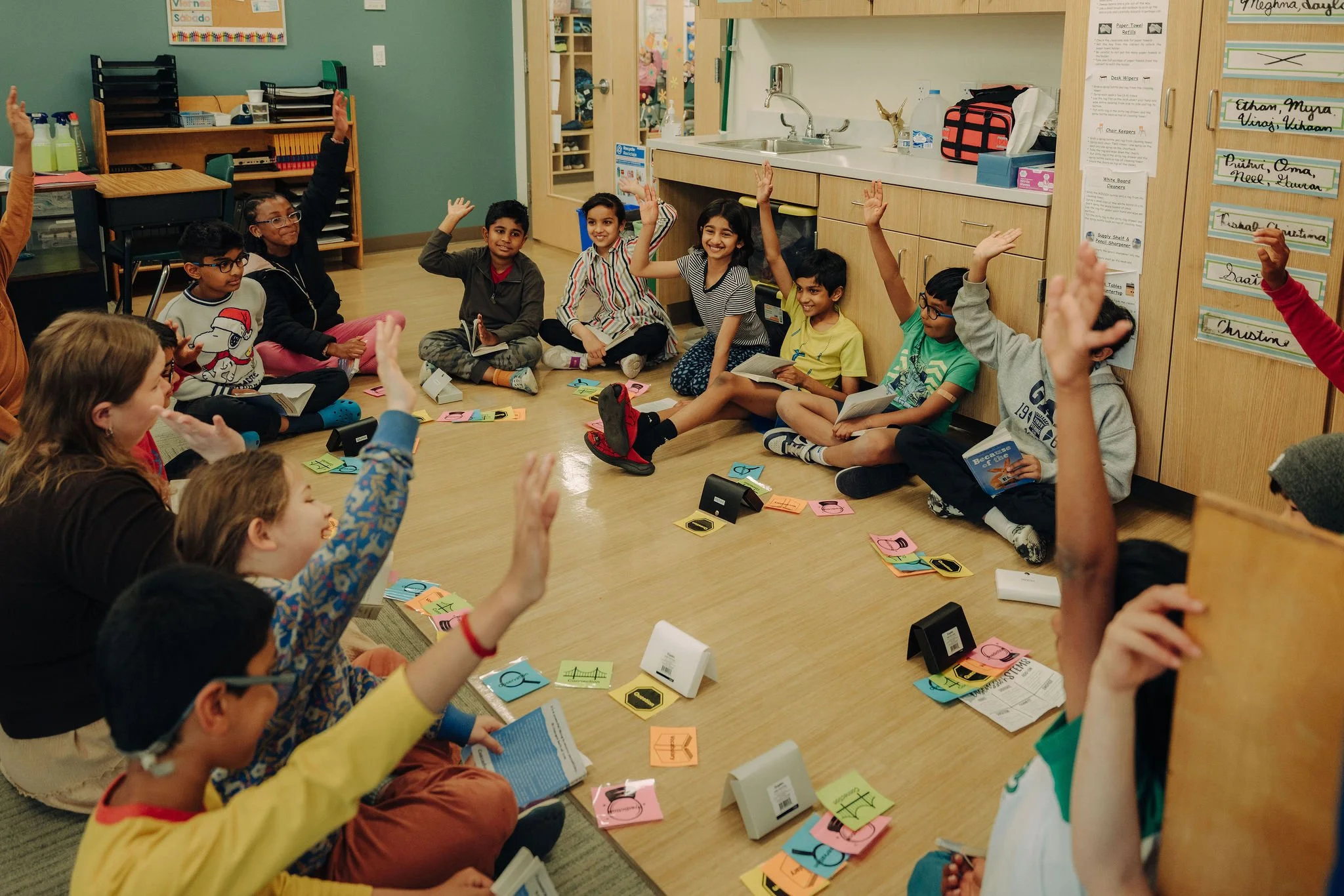
Reading: Children continue to work on developing text-to-self and text-to-text connections while growing in their ability to prove their thinking through textual evidence. During reading discussions, they learn to take the lead and ask inferential questions as well as engage in debates where they push back on classmates' thoughts if they have supporting evidence to back up their position. Fourth grade children end the year feeling confident in their ability to share and defend their thinking.
Writing: Students continue to refine their writing skills by working to build intricate compositions in multiple genres including expository, narrative, research, and persuasive. At this point, all stories are typed and students are confident in their ability to work through the writing process of brainstorming, drafting, editing, and producing a quality final piece that is up to twelve typed pages by the end of the school year.
Math: In fourth grade, students move away from our MCP math curriculum into a middle school curriculum that pushes them to apply their foundational math skills to successfully dive deeper into fractions, decimals, percentages, area and perimeter of triangles and irregular shapes, and variables.
Science and Social Studies: Third and fourth grade classes come together to study science and social studies topics. These study periods include experiments, roleplay, group discussions, partner research, projects, and student-led presentations. Units of study include governmental systems, US history, biomes, forces in motion, and the human body.
Leadership and Outdoor Education: Fourth graders have the unique opportunity to attend a multi-day sleepover excursion at Camp Colman or Nature Bridge. They participate in guided outdoor activities and group initiatives that challenge their ability to work as a team and develop essential leadership skills such as creative problem solving, empathy, listening, and delegation. Students are pushed out of their comfort zones and encouraged to take on new roles within group settings. Our students come back from this experience with more confidence, compassion, deeper friendships, and stronger leadership skills.
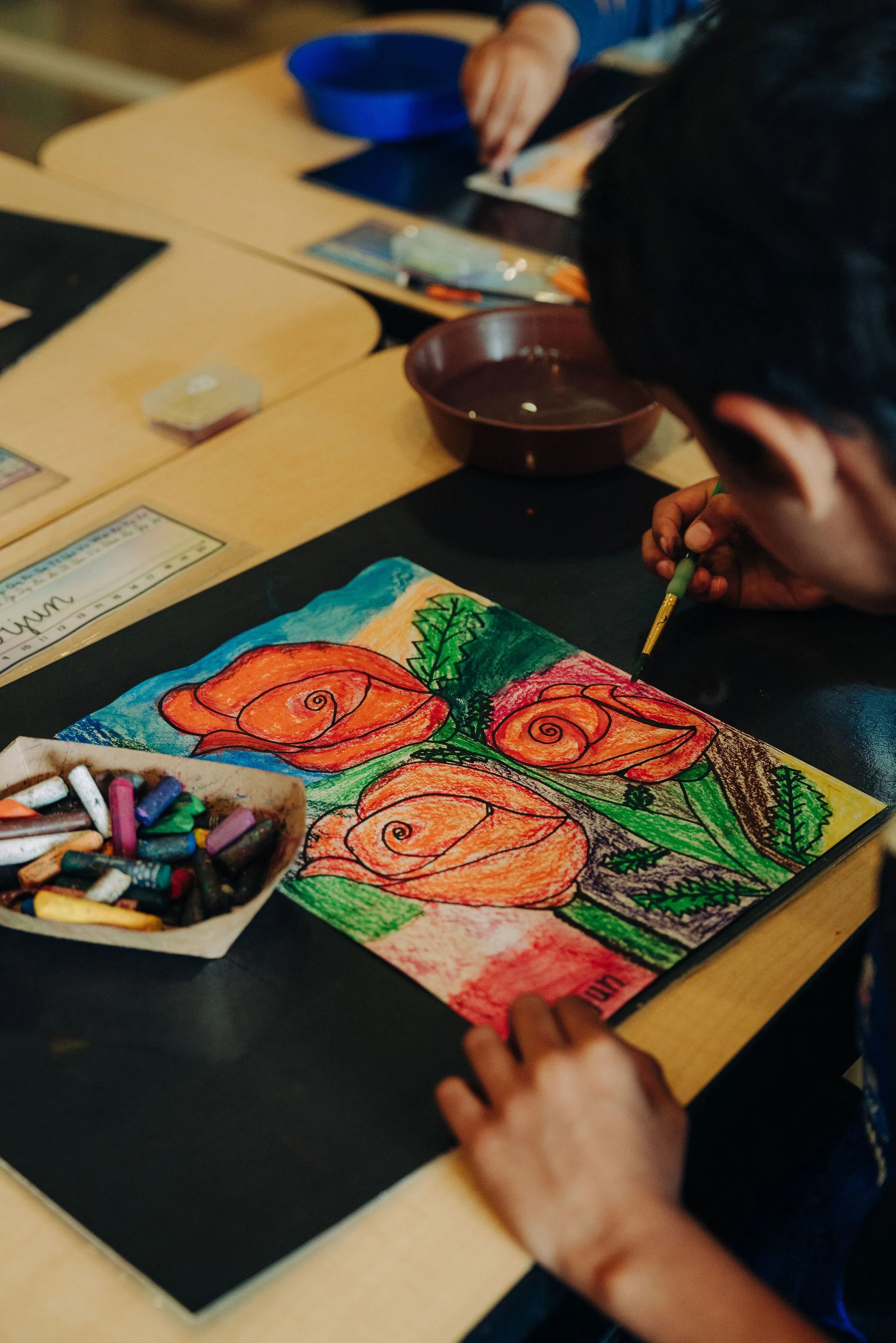
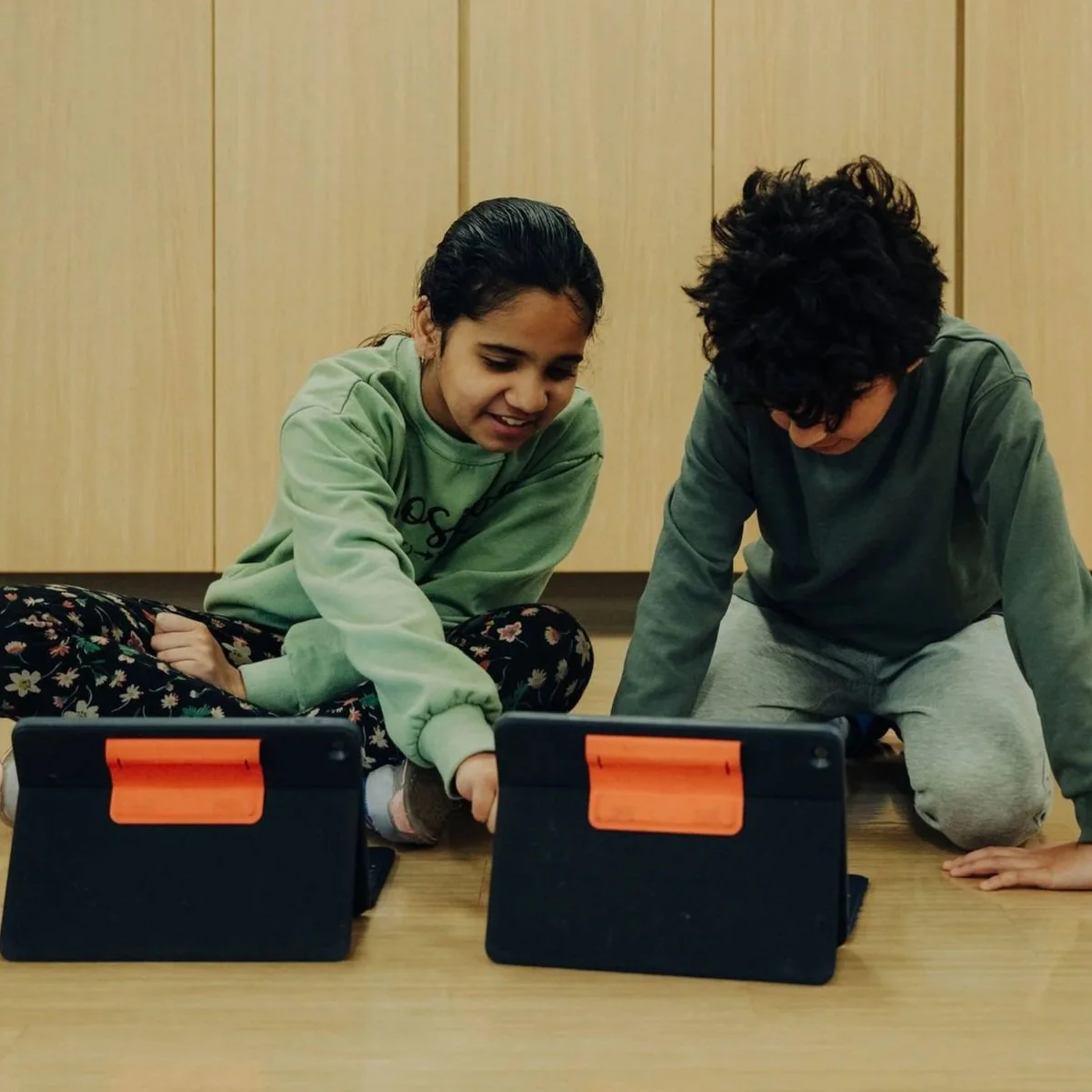
Fifth grade is our capstone year. We believe that fifth grade is the year for our students to use their strong foundation as a springboard into specializing their knowledge base. This year is a mixture of group studies in pre-algebra, advanced geometry, ancient civilizations, art, and robotics, with more individualized learning in writing as they embark on writing their own novels. As their culminating project, each student designs their own independent course of study that builds on previous knowledge, incorporates research, and pursues new experiences across disciplines. We introduce multiple teachers across subjects to prepare them for the differing expectations and pedagogies that they will experience in middle school.
Through this hybrid program, our fifth grade children have the opportunity and resources to pursue deeper understanding at an individualized level. Our graduates leave us with a deep sense of self that drives their personal confidence, an understanding of their place in a larger community, and a skill-set geared for success in middle school.
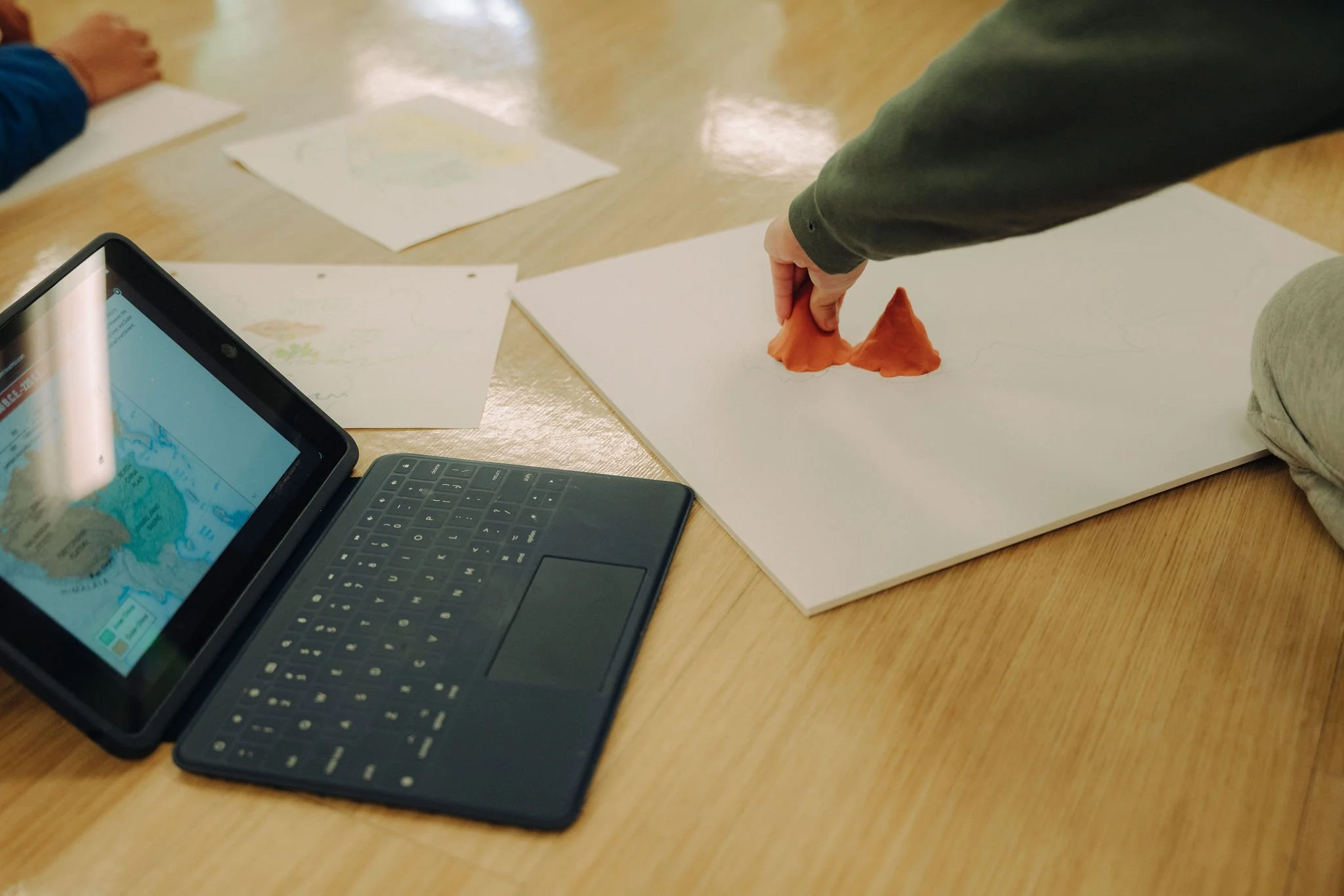
Humanities: Fifth grade English works in tandem with social studies to create an integrated study of literature, writing, and history. Using myths, stories, and ancient civilizations as the springboard, students will dive into: 1. Deciphering how a protagonist's actions and the story's composition each shape its narrative outcome. 2. Writing reputable articles and building strong arguments that are backed by research, publishing their work in a semiannual newspaper, “The Cascadia Chronicles”. They also create their own memoirs, highlighting impactful moments in their own lives. 3. Exploring the geography and history of the ancient Fertile Crescent, learning what makes a civilization; comparing belief systems, government, technology, food supply, arts, social structure, and writing systems from ancient to modern times. Students utilize research, small group study, technology, and field trips to attain a deeper level of understanding.
Civics: Fifth grade civics class spends the year exploring what it means to be a good citizen, both within the local community, and in our country as a whole. Students study both the Declaration of Independence and the US government. They explore lessons to be learned from our own history — mistakes that have been made and how we as a society have made efforts to correct them. We encourage our students to be political voices within their communities and give them the skills they need to be change-makers.
Geography: In the fifth grade geography course, students engage in a deep-dive study of the physical features that shape the United States, and how those features have influenced human activity from the past to the present. Students will go beyond the memorization of state names and capitals, uncovering key themes that help them develop a sense of place. The course utilizes an array of interactive activities, case studies, and discussion topics to guide students through their learning of key geographic concepts, such as landforms, climate, and resource distribution.
Math: Fifth grade math focuses on introducing middle school pre-algebra and geometry, including fractions, decimals, percentages, negative numbers, factorization, variables, equations, quadrants, area, circumference, volume, angles, and scale drawings. Through each unit of study, the students engage in direct teaching, hands-on exploration, and real-life application.
Science and Environmental Education: In fifth grade, students use scientific inquiry in tandem with technology and experimentation to study geology and earth science. Fifth graders have the opportunity to attend a multi-day sleepover excursion at Camp Colman or Nature Bridge, where they apply the scientific process to field studies based on water conservation, geology, forest ecology, or marine sciences.